


Race Star - Team Manager Game
4.0137.00 Reviews
App Specs
- Version
- 1.5.1
- Updated On
- License
- Free
- Downloads
- 500,000+
- Developer
- Gryphon Games
- Categories
- Racing
- Platform
- Android
Screenshots
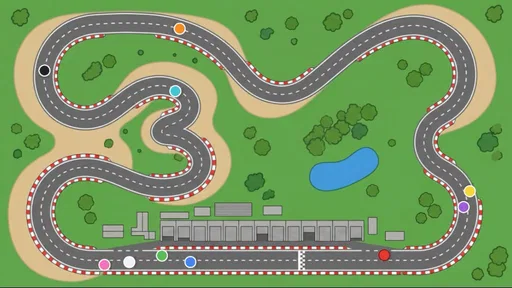
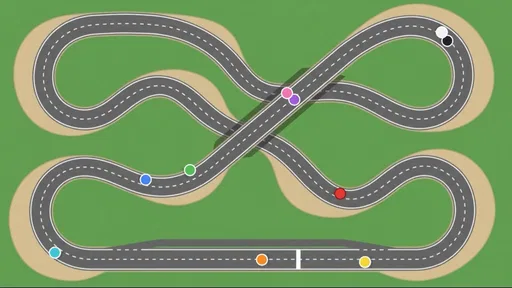
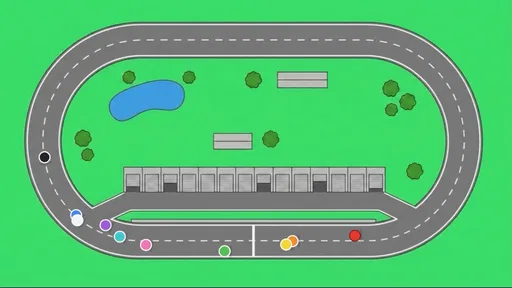
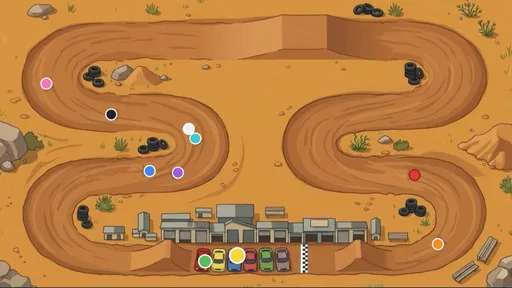
 Analysis by AppCompare
Race Star is a racing game for people who enjoy running a team as much as watching cars compete. I like that its appeal is not limited to quick reflexes: the focus is on building a squad, choosing drivers, improving cars, and chasing championships. That management angle can make it a more relaxed alternative to racing games built around steering every turn yourself. It also means the experience depends on how much you enjoy planning and incremental progress.
Made by Gryphon Games, Race Star - Team Manager Game is free to download and rated for Everyone. It has a 4.0 average from around 3,000 ratings, and has passed 500,000 installs. Those figures suggest a sizeable audience, though they cannot tell you whether its particular pace or interface will suit you. I would approach it as a casual team-management game with racing at its center, rather than as a realistic driving simulator.
Following the team is easier than driving every race
I find that the team-management perspective changes what it means to follow a race: instead of needing to stay locked into every moment, I can focus on the choices that shape the campaign. In the next section, I’ll look at how that shift may ease some motor demands while leaving other kinds of attention and navigation in play.
Readable decisions matter more than fast inputs
The basic appeal is easy to grasp: you are responsible for shaping a racing operation, not just controlling a car. Signing drivers and tuning cars give the player decisions to return to between races, while championships provide a longer-term goal. For someone who likes to make a plan, check how it is developing, and adjust, that loop can feel satisfying without demanding constant attention to steering.
That distinction also affects readability. In a hands-on racer, the screen often competes for attention between the road, opponents, braking points, and controls. A team-management format shifts the mental work toward understanding choices and outcomes. I find that easier to approach in short sessions, because I can focus on one management decision at a time instead of trying to react to several moving hazards at once.
Still, management games are not automatically simple for everyone. A player needs to understand what a choice is meant to improve and whether it is worth spending time or resources on. If the game presents several options at once, the challenge may be interpreting their consequences rather than physically executing a race. Newcomers who want an immediate, clearly explained driving tutorial may prefer a conventional arcade racer with direct controls and an obvious finish line.
A useful way to begin is to treat each session as a small review of the team: look at the available driver and car decisions, make one change with a clear purpose, then see how that fits the championship goal. Avoid changing everything at once. Even without assuming any particular hidden upgrade system, this is a sensible way to learn which choices feel meaningful and to avoid losing track of why the team is improving or struggling.
Worth Reading Before You Choose

Flipboard Shows What News Apps Must Do Beyond the Feed

Switching to Android Auto Means Rethinking Your Driving Routine

Google Calendar Makes a Crowded Week Easier to Manage

Ludo King Makes the Most of the Minutes Between Plans

Baby Panda World Brings Quick Play to Modern Phones, but Its Game Library Feels Busy

ESPN’s Live Game View Makes Following Close Games Easier
Motor and sensory demands are different from a conventional racer
Because the game centers on managing a racing team, it may appeal to players who find rapid, repeated steering or tapping uncomfortable. The emphasis is on choosing and tuning rather than personally driving through every corner. That is a meaningful difference for people who enjoy racing themes but do not want the whole experience to hinge on precise real-time input.
I would not take that to mean the game is automatically accessible to every player with motor or sensory needs. A management game can still involve navigating menus, reading text, selecting options, and keeping track of changing information. Those tasks can be tiring in their own way, especially for someone who has difficulty with small interface elements, sustained visual attention, or dense screens. I can recommend the slower decision-making style as a possible fit, but not promise that every part of the interface will work for every ability.
The racing subject also gives the game a clear visual identity, but players who are sensitive to busy motion or bright effects should judge the presentation for themselves. I would suggest trying a brief session in a comfortable setting before committing to longer play. If the race presentation feels too stimulating, the management side may still be the more appealing part, but a player who needs complete control over visual effects should not assume such controls are available.
One practical trade-off is that fewer driving demands do not necessarily mean less concentration. Following a team’s progress requires remembering what has been changed and what the next goal is. I find it helpful to make one deliberate decision, then pause rather than tapping through options just to keep the game moving. That approach is especially useful for players who prefer a slower pace or need to break play into manageable chunks.
Short check-ins work better than waiting for a perfect long session
The idle-leaning team structure makes Race Star easier to imagine as a game for brief visits than a racer that requires a quiet half-hour and uninterrupted attention. A realistic use case is checking in during a break, looking at the team’s current position, making a considered adjustment, and leaving the next championship step for later. That is more forgiving than a real-time race where a notification or interruption can immediately spoil a run.
There is a limit to that convenience. The game’s appeal still depends on caring about the longer arc of building a team and improving its chances. If you only want a self-contained race that feels complete in a few minutes, an arcade racing game may provide a clearer payoff. Race Star is better suited to someone who is happy to let progress unfold and return to it, rather than expecting every session to deliver a dramatic finish.
For younger players, the Everyone age rating makes the game broadly approachable, but that label is not a substitute for an adult’s judgment about spending. The game is free to start, while optional in-app purchases range from $0.99 to $99.99 per item. I would set a spending expectation before handing it to a child and check purchase settings on the device. Those options can be easy to overlook in a game whose main draw is gradual team development.
Where it sits among racing alternatives
Compared with a typical arcade racer, Race Star puts less emphasis on the player’s driving skill and more on choices made around the team. That can be a relief if you dislike losing because a turn was mistimed, but it may disappoint if speed, drifting, and direct control are the reason you play racing games. It is not the option I would choose when I want the tactile satisfaction of guiding a car myself.
Compared with a pure management game, its racing identity gives the decisions a clear sporting purpose: drivers and cars are tied to the chase for championships. The trade-off is that a player who wants deep, transparent simulation may find the more casual framing less compelling than a dedicated management title. I would choose Race Star for approachable, ongoing team-building, and look elsewhere if I wanted detailed control over every competitive variable.
The current version is 1.5.1, and the game is available for devices running version 12 or later. Gryphon Games has released it as a free game, so trying it does not require an upfront purchase. The optional purchases are worth keeping in mind, but they do not change the central question: do you enjoy gradually shaping a racing team more than controlling a car on the track?
The best fit is a patient planner, not every racing fan
Race Star is a good candidate for players who like motorsport themes, incremental team-building, and decisions that can be made in short bursts. I would particularly recommend trying it if you enjoy checking in on a project and refining it over time. Its strongest point is the change of perspective: instead of asking whether you can take a corner quickly, it asks whether you can put together a team capable of pursuing a championship.
I would skip it if you want realistic driving, immediate action, or a management game with a level of strategic depth you can inspect in detail before investing time. I would also be cautious if purchase prompts are a concern, especially when a child will be playing. The free entry point is inviting, but optional purchases make it sensible to decide in advance whether spending is off limits.
For players thinking about access, the lack of a constant driving challenge may make this a more comfortable racing choice, particularly when fast motor responses are a barrier. But comfort is personal: menu navigation, visual motion, and following ongoing decisions can still create friction. My advice is to try it in a short, low-pressure session and see whether the management rhythm feels clear rather than demanding.
Overall, Race Star is most appealing as a casual racing-team project, not as a substitute for a wheel-to-wheel driving game. I like its potential for quick check-ins and the way team choices give the championship goal context. Its slower approach is a strength for the right player and a drawback for someone seeking immediate action. If building a squad sounds more fun than taking every lap yourself, it is worth a look; if the driving itself is the point, choose a racer that puts you behind the wheel.
A simple routine helps the management side stay legible
One way I would keep the game from turning into a blur of disconnected choices is to give each visit a narrow purpose. I might first check what the team is working toward, then consider whether a driver decision or a car adjustment best supports that aim. This is not a hidden mechanic or a guaranteed winning formula; it is a way to make the choices easier to understand. When I change one thing at a time, I can better connect the decision to what happens next.
That habit also helps when returning after a gap. Rather than trying to remember every detail, I would start with the championship objective and review the team from there. A player who enjoys keeping a mental thread between sessions may find that rewarding. Someone who wants the game to explain every consequence immediately could find the slower feedback less satisfying, so it is worth noticing whether the planning itself is fun before investing much time.
Good for interruptions, less ideal for a quick racing fix
Imagine opening the game while waiting for a ride or taking a lunch break. You can use that moment to check the team, make a focused choice, and leave without needing to finish a race in one uninterrupted sitting. That flexibility is useful for people whose free time arrives in scattered pockets. It also makes the game a better fit for casual play than a racer where a pause or interruption can cost a run.
On the other hand, if you open a racing game because you want an immediate burst of speed, this may feel too indirect. The team-building layer asks you to care about preparation and progress, not just the next few seconds of action. A conventional arcade title is the clearer choice when you want direct control and a short, self-contained challenge; a detailed motorsport management game may suit you better if you want a more demanding simulation of team strategy.
For someone deciding whether to try it, I would ask one practical question: do you enjoy returning to the same project and nudging it forward? If yes, the championship structure gives those visits a reason to connect. If you prefer a game that feels complete each time you open it, the ongoing team arc may feel like homework rather than a reward.
What to expect from the free starting point
Because there is no upfront price, trying the game is a low-commitment way to see whether its management rhythm suits you. I would still treat the first sessions as a test of fit, rather than assuming that free entry means every part of play will feel effortless. The optional purchase range is wide, so I would decide beforehand whether spending is acceptable and, for a child’s device, use the available purchase controls to match that decision.
A common question is whether this is really a racing game if the main appeal is team management. To me, it is a racing game viewed from the preparation side: drivers, cars, and championship ambitions supply the context, while the fun comes from shaping the operation rather than personally steering. That distinction is the key to deciding whether it belongs on your device. Fans of racing themes who do not need hands-on driving may appreciate the shift; players who identify racing with precise control probably will not.
Another useful expectation is that the game’s relaxed input style does not remove every barrier. It may reduce the pressure of fast reactions, but the player still has to read choices, navigate the interface, and follow progress. I would try it on the device and in the setting where I plan to play, especially if screen readability or visual activity matters to me. A short trial is more informative than assuming that a team-management format will automatically be comfortable.
An inclusive recommendation with clear limits
I see Race Star as a thoughtful alternative for people who like the atmosphere of motorsport but want a less reflex-heavy way to participate. Its strongest case is for patient players who enjoy making small decisions, seeing a team develop, and fitting play into brief openings in the day. The focus on team-building gives racing a different kind of satisfaction, and the free starting point makes it easy to test that appeal.
It is not a universal substitute for driving games, nor is a slower pace the same as an accessible interface for every person. If you need detailed control over sensory presentation, have difficulty with menu-heavy play, or want every strategic outcome explained clearly, you may run into friction. If you want the roar of direct action and the satisfaction of mastering a track, a conventional racer is still the better match.
My recommendation is to approach it as a small, ongoing racing project. Try a brief session, make a deliberate team choice, and notice whether the process feels satisfying or merely slow. If you like that rhythm, the championship goal can give short visits a sense of direction. If you do not, there is no need to force it: a game that puts you directly behind the wheel will better serve the kind of racing mood you have.
Pros
- Easy to understand team-management mechanics suit casual players.
- Short races make it convenient to play in brief sessions.
- Upgrading drivers and cars gives progression a clear sense of purpose.
- Team decisions add strategy beyond simply watching races.
- Bright presentation makes the game easy to follow on a small screen.
Cons
- Progress may slow as upgrades require more time or resources.
- Race outcomes can feel heavily influenced by car and driver stats.
- Repeated race formats may become predictable over longer play sessions.
- Frequent management decisions may interrupt the racing action.
- Some progression options may encourage in-app purchases.
FAQs for Race Star - Team Manager Game
What is Race Star - Team Manager Game?
Race Star - Team Manager Game is a racing strategy game in which you manage a team rather than simply steering a car around a track. Its appeal comes from making decisions about your racers, upgrades, and race tactics, then seeing how those choices affect results. The exact features and available content can vary by version, so check the current store listing before downloading.
Is Race Star - Team Manager Game free to download?
The game may be available to download for free, but that does not necessarily mean every feature or item is free to use. Mobile games can include optional in-app purchases, such as currency, upgrades, or other progression aids. Review the app-store listing for the latest pricing details, and check your device’s purchase settings if you want to prevent accidental spending.
Can I play Race Star - Team Manager Game offline?
Offline access depends on how the current version handles races, saved progress, and account features. Some management games let you use certain modes without a connection, while online events, synchronization, or other services may require internet access. If offline play matters to you, check the game’s store description and test its behavior before relying on it during travel or in areas with limited connectivity.
Is Race Star - Team Manager Game suitable for children?
Suitability depends on the game’s age rating and on how comfortable you are with its content and purchase options. Before a child plays, review the rating, in-game communication features, advertisements, and any available parental controls. If purchases are offered, protect the device with purchase authentication or disable buying where possible, and supervise play according to the child’s age.
Which devices support Race Star - Team Manager Game, and how much storage does it need?
Compatibility and storage requirements can change when the developer updates the game, so there is no single requirement that applies to every device or version. Check the Android or iOS store page for the minimum operating-system version, supported devices, and current download size. Leave additional free space for updates and game data, and make sure your device meets the listed requirements before installing.


